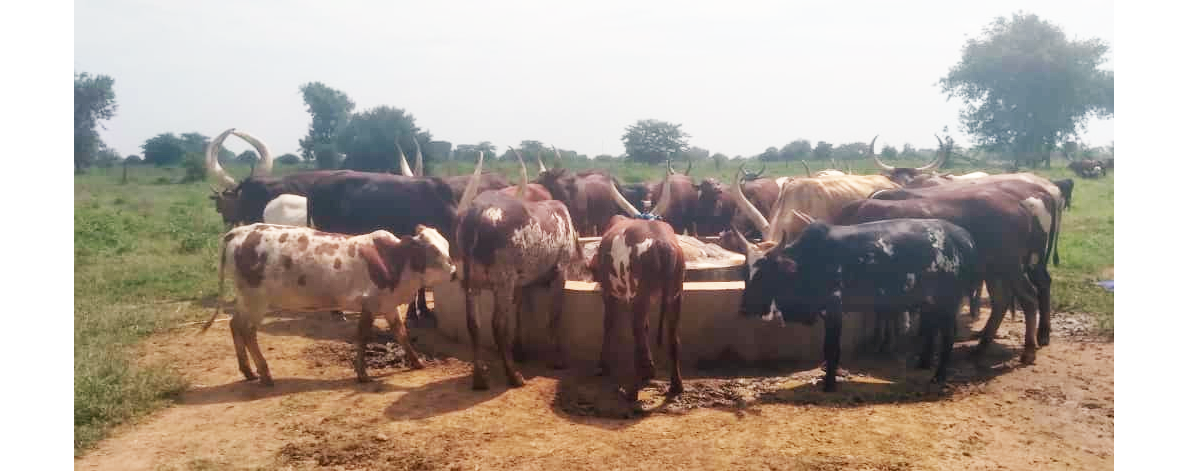
At Ariibi Ranch, we use underground water that is piped to different paddocks. See some of our cows drinking water in picture above. Water is the most important nutrient. An adequate supply of clean, fresh water is a critical component of maintaining healthy, productive cattle.
Providing safe, clean water is critical to maximizing any cow’s milk production and cow reproduction performance. Cows need clean water for normal digestion, proper flow of feed through the intestinal tract, proper nutrient absorption, normal blood volume and tissue requirements.
More, water is required to transport nutrients through the blood, maintain cellular structure, regulate temperature, and much more. In order for livestock to maximize feed intake and production, they need daily access to palatable water of acceptable quality and quantity.
Common Signs of Poor Water Quality
Poor quality drinking water can result in decreased milk production and cow reproduction failure. Some of the common signs of poor water quality in cows include:
- Depressed immune function and elevated somatic cell count, which can lead to reduced milk production and quality
- Increased cow reproduction failure, including conception failure, early embryonic death and abortions
- Increased off-feed events and erratic eating patterns
- Health or performance issues
- Scours or digestive upsets in replacement animals
- Deteriorating health status of newly arrived heifers or dry cows
- Off flavor, smell or color of drinking water
Calves Need High Quality Drinking Water Too
When considering water quality needs, many people consider the needs of a cow that is producing milk or reproducing, but calves need access to quality drinking water just as much. The quality of water used to make milk replacer is critical to a calf’s health, and the availability of fresh water also affects nutrient intake and the calf’s growth.
According to research by Dr. Donna M. Amaral-Phillips from the University of Kentucky, calves should be offered free-choice water along with calf starter feed beginning at 4 days of age. The research suggests that depriving calves of fresh water decreases starter intake by 31 percent and decreases weight gain by 38 percent. Calves fed free-choice water also had a lower incidence of scours.
Some of the signs of poor water quality in dairy calves are similar to those found in mature cows:
- Increased incidence of scours and digestive upsets
- Decreased immune competence
- Depressed daily gain and feed efficiency
- Increased off-feed events and erratic eating behavior
Water Quantity and Availability is Equally Important as Quality
Cows spend up to four to five hours per day eating, but only 20 to 30 minutes per day drinking water, making availability and easy access to clean, safe water a critical factor in meeting a cow’s hydration needs. A cow depends on readily-available water to maintain blood volume, tissue function, rumen activity and proper flow of feed through the digestive tract.
To optimize dairy cows’ water consumption, you should provide direct access to clean water as cows exit the milking parlor and within 50 feet (15 meters) of the feed bunk. There should be at least two functioning waters available per pen.
Some additional ways to optimize dairy cows’ water consumption include the following:
- Ensure adequate flow rate to maintain a minimum water depth of 3 inches (7.6 centimeters) in the trough
- Provide available trough space of 3.5 linear inches (9 linear centimeters) per cow
- Monitor stray voltage in water troughs and in the areas around them
.